
Funeral Arrangements Disagreements: What to Do
Written by Emily Cross.
12 minute read

Written by Emily Cross.
12 minute read
At a time when you have lost someone you love, planning a funeral may be the last thing you want to consider. That said, others find that planning and arranging a funeral helps by giving them something to focus on. Because funerals are a deeply emotional and personal occasion, everyone will approach the buildup in their own way.
However, issues may occur when someone feels they are being left out of funeral arrangements against their wishes. Family disagreements over funeral arrangements can add to the stress and negative emotions at a time when things may already be difficult to process.
If you need to make funeral arrangements, everyone here at Aura completely understands how difficult things may be right now. We are a family-run direct cremation services provider focused on delivering quality services in a way that is always kind, compassionate, and understanding. We hope that these words on funeral arrangement disagreements go some way to helping you and your family navigate what may be complex conversations.
Key takeaways:

Funeral disagreements can arise between family members for a variety of reasons. The personal and emotional nature of suffering a loss, combined with the fact that we all figure out how to deal with grief in our own ways, means that clashes of ideas may occur.
A difference of wishes, a small group that others feel are excluding them from planning, and clashing cultural or religious elements may create complications. There may also be a case where a family is dealing with the unexpected death of a loved one, and is unsure about what the person who died would have wanted, as they unfortunately did not have the time to start writing a will.
Family disagreements over funeral arrangements can start in several different ways. It’s natural for what would normally be thought of as small issues to feel like they are amplified at a time when everyone navigating the grieving process in their own way.
If a member of the family feels excluded because they are not being consulted, this may result in feelings of resentment, even abandonment. Every family has its own unique hierarchy that forms over many years, and much of the decision-making is influenced by legal next-of-kin rights.
However, because of the personal nature of making funeral arrangements, some people may find that their individual family dynamics put them into roles that may perhaps not be adopted in other families. This is neither right nor wrong, but it does mean that a grey area may emerge if two people have a difference of opinion regarding their roles.
To help things run smoothly, it may be helpful to consider ways you could respectfully communicate concerns with the family. These types of dynamics are deeply personal, but there are a few things that may be worth considering.
Finding a quiet moment with a member of the family where you can talk one to one can help with getting your feelings across. While emotions will naturally run high, many find that they are able to make more progress if they can remain calm and measured. Finding a way to do this that you feel comfortable with may require a period of reflection that you embark on at your own pace.
A common area for disagreements to occur is over key choices such as cremation vs burial or religious vs. secular services. Beliefs on death and funerals in religion can be polarising. If members of the family are of different faiths and religions, these issues could cause additional stress and potential upset.
There are also sometimes conflicts stemming from the cost of the funeral itself and who carries financial responsibility for paying for it. Understandably, everyone involved wants to make sure these issues are resolved so they can prepare for what could be a highly emotional day. Some families find that using a neutral third party to organise events or mediate can help everyone move forward. By removing the emotional element from the disagreements, it may make things easier when you are looking for compromises.
Deciding what to do when someone dies is something that is largely decided by the family’s religion and culture. Discussing religious customs in advance, especially when members of the family are parts of different faith groups, can go a long way towards avoiding misunderstandings and upset during the service.
Some families find that adopting a hybrid approach works. One possible example of this would be having a reading from two different religious texts so that all members of the family feel listened to and heard. Although certain customs may potentially clash with one another, compromising and finding a way to come together to remember someone who has died is a journey that many families find provides a sense of closure.
Family disagreements over funeral arrangement plans can lead to tension and upset if not addressed appropriately.
Respectful discussions that are conducted in a way that everyone feels comfortable with can go a long way to allowing everyone to heal and move forward together. If you are able to find the words to show someone else that you understand their perspective, even if you may not fully agree with it, you could be taking the first step to lowering the barriers.
A counsellor, death doula, or family elder can sometimes be a useful person to call upon when you want someone to mediate when talking about death and dying. A mediator will help keep things calm at what is already a highly emotionally charged time, allowing both sides to feel listened to, heard, and respected.
When emotions run high, it may be the case that some of those involved potentially lose sight of the bigger picture. Many families believe that a funeral is, first and foremost, an occasion that should be focused on honoring the wishes of the person who has died. Finding a way to bring everyone back to this central point could help you find a shared dialogue and a series of compromises. Working with one another, rather than against each other, may help you process other emotions that have been brought to the surface by the death of someone you love.
If your loved one had recognised the importance of writing a will and also had a prepaid funeral plan, this will form the basis for the funeral arrangements. Things can get complicated if neither of these things are in place. In these instances, the next of kin will typically handle the arrangements and have legal authority over decisions.
While some families will naturally look to an elder member of the family or the next of kin, in other families, this may not be the case. These types of situations may become complicated if there are no formal plans or requests from the person who has died. Hiring an independent mediator may be a helpful step to consider here because it will prevent arguments and disagreements from escalating.
One of the key legal considerations is whether or not you can arrange a funeral before a death is registered. The only case where this is allowable under UK law is when the death is subject to an investigation by a coroner who is willing to issue an interim death certificate. Factoring how long it may take to register a death into the overall funeral arrangement time is one way that you could potentially make the process less stressful.
Being left out of funeral arrangements may cause upset and emotional distress, particularly if there are drawn-out family disagreements over funeral arrangement plans. You may wish to discuss plans in advance with loved ones who are still alive so that disputes can be avoided in the future.
A written plan and list of wishes that covers things such as next of kin and funeral costs may help. Some find this process helpful; others find it upsetting and wish to return to it at a later date. Taking your time and working through a funeral arrangements checklist at your own pace could help you to reduce the stress and manage your emotional load. Many families find that a prepaid funeral plan where they can plan in advance can help avoid disputes and give everyone a chance to express how they feel.
Managing emotions when disagreements arise can be challenging, especially when you are already trying to process the death of someone you love. Sometimes, you may find that taking a step back from the arrangements will ultimately bring you closer together and help you to find common ground.
Perhaps sharing memories instead of focusing on disputes could be a way forward. Remembering a loved one and what they meant to you may help you arrive at compromises that allow everyone to be heard and represented. Emotions can understandably run high, so it’s thinking about how you could potentially defuse the situation that could make the difference.
We each grieve in our own way, but there are a number of us who may benefit from considering grief counselling. If you feel like it is something you want to explore further, there are online services, such as Sue Ryder, that you can use when the time feels right.
By being able to connect with different types of counsellors from different backgrounds, all without having to travel, you can find someone you feel comfortable opening up to. It’s important to remember that even if it works for you, someone else in the family may not be comfortable with it. We sometimes think that what worked for us has to work for everyone else, but grief is personal and moves at different speeds for different people.
We care about helping you at a time when you have a lot to process. Our intention with this guide has been to share some words of advice and suggestions on how disagreements may be solved in ways that are constructive and do not add to your existing emotional workload.
We hope you find some support in our words and want you to know that when you need our services, we are always right here. Your next step could be discussing funeral plans with your loved ones so that you can start to find some middle ground.
Connect with our experts today and request our free digital brochure that could help you on your way.
Families sometimes choose an independent mediator to help break an impasse or stalemate that has started from a simple difference of opinion. A professional funeral director will have years of experience in providing these services and will be able to do so in a way that is always kind, compassionate, and tactful.
Disagreements can cause additional stress at a time when emotions are already heightened. Finding a way to bring everyone to the table and to talk about how they feel without creating arguments may help you find a series of compromises. You may find it helpful to remind yourself that the funeral is ultimately about following the wishes of the person who has died. If there is a family elder who can mediate, you may wish to consult them and ask for their help in bringing the family back together.
Religious differences can be some of the hardest issues to solve when it comes to planning a funeral. Members of different faiths may find that a degree of compromise is required during the service, both in terms of the location and the readings. Trying to find a way to cross religious and cultural divides that unifies the family, rather than pushes it apart, is important here.
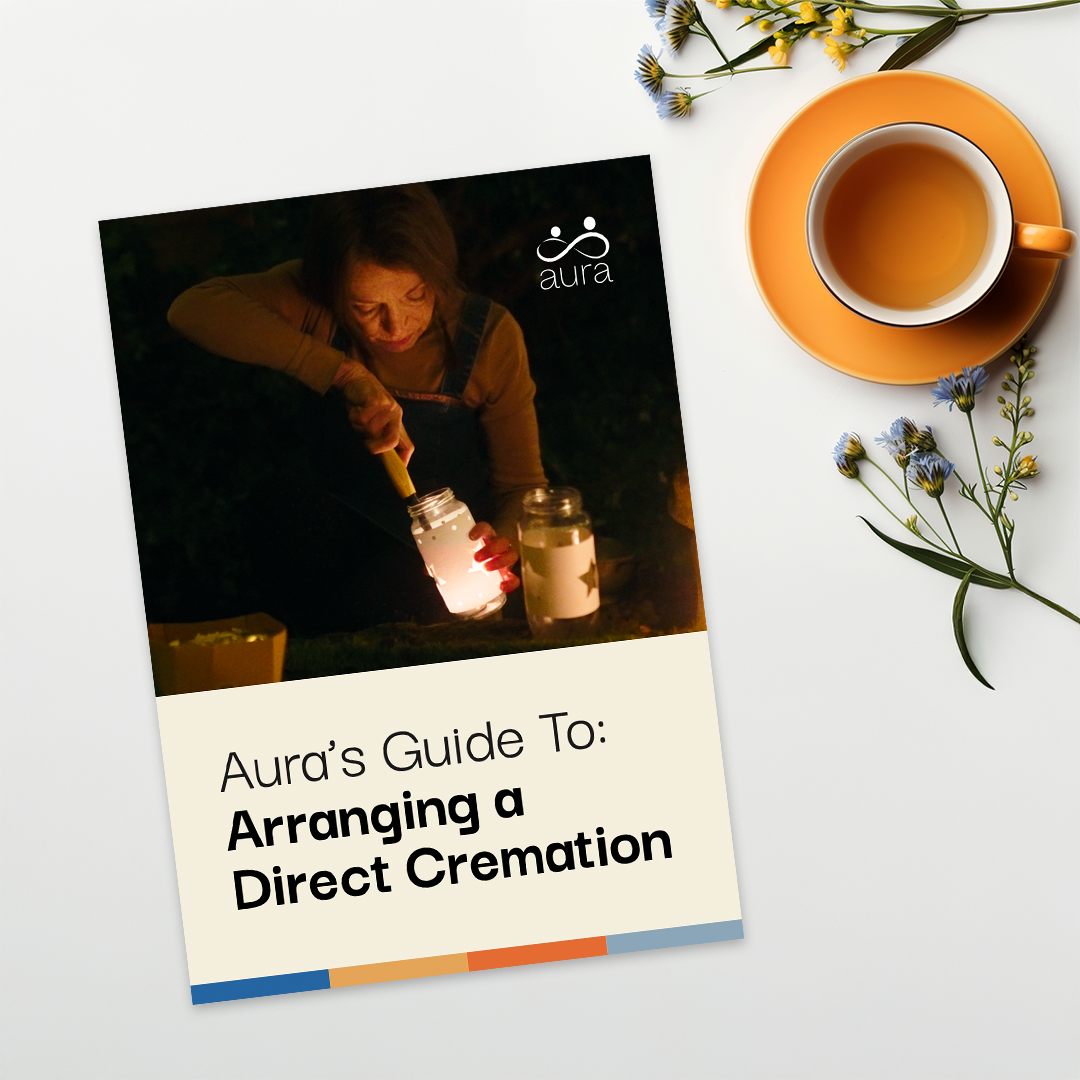
Our free guide to arranging a direct cremation gives you a clear, step-by-step overview of what’s involved, helping you to understand the process and explore whether it’s the right choice for you or your loved ones.
Whether you are thinking ahead for someone on end-of-life care or arranging a funeral now for someone who has passed, we hope this guide can help.
In this guide, you will find:
staging site last replicated: MISSINGNO.